How to Tell When Your Lawn Needs Aeration
If your lawn shows compacted soil, thinning grass, or water pooling, local contractors can assess and perform aeration to improve its health.
Understanding when your lawn needs aeration is an essential step toward maintaining a healthy, vibrant yard. Property owners in the area often notice signs like thinning grass, uneven growth, or areas that seem to struggle despite regular watering and fertilizing. Recognizing these indicators can help determine if aeration might be beneficial, as this process improves soil health, enhances nutrient absorption, and encourages stronger root development. Exploring how to tell when your lawn needs aeration can lead to more effective lawn care practices and a lush, resilient landscape.
For those considering lawn aeration, connecting with experienced local contractors can make a significant difference. These professionals can assess your yard’s specific conditions and recommend the right approach to keep your grass thriving. Whether your lawn shows visible signs of compaction or simply needs a periodic boost, local service providers are equipped to handle the job efficiently. Keep reading to learn practical tips on identifying when aeration is needed and how local experts can support your efforts in achieving a healthier, more attractive lawn.
- Common Projects - Lawn aeration services are often needed when soil compaction causes poor drainage and uneven growth, with local contractors assessing these signs to determine the best approach.
- Common Projects - When lawns develop thin patches or feel spongy underfoot, local service providers can evaluate whether aeration will improve root health and turf density.
- Common Projects - Signs of excessive thatch buildup or a lack of resilience after heavy foot traffic are indicators that local pros may recommend lawn aeration to restore soil vitality.
- Common Projects - If grass struggles to recover after seasonal changes or feels difficult to mow, local contractors can perform aeration to enhance nutrient absorption and overall lawn health.
- Common Projects - When soil testing reveals high compaction levels or poor aeration history, local professionals can provide targeted services to address these issues effectively.
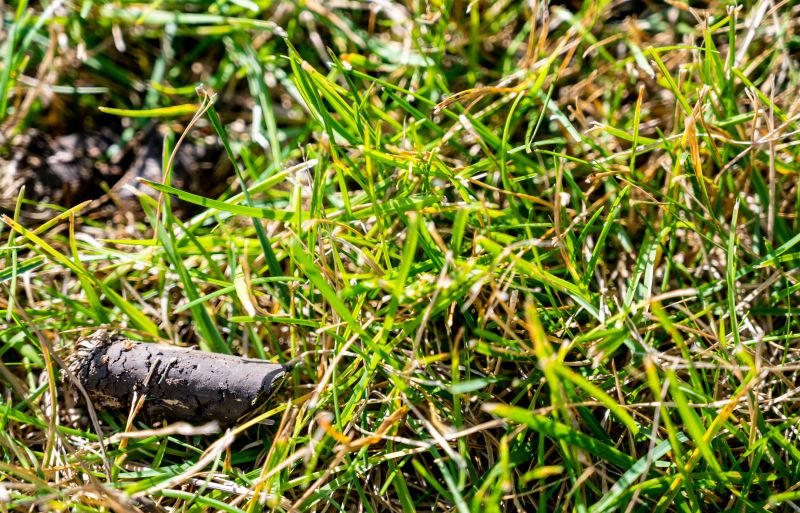
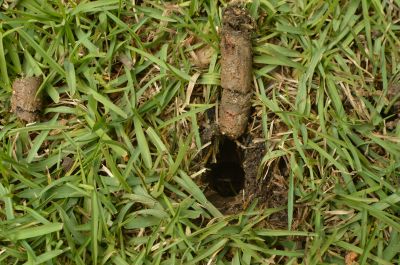
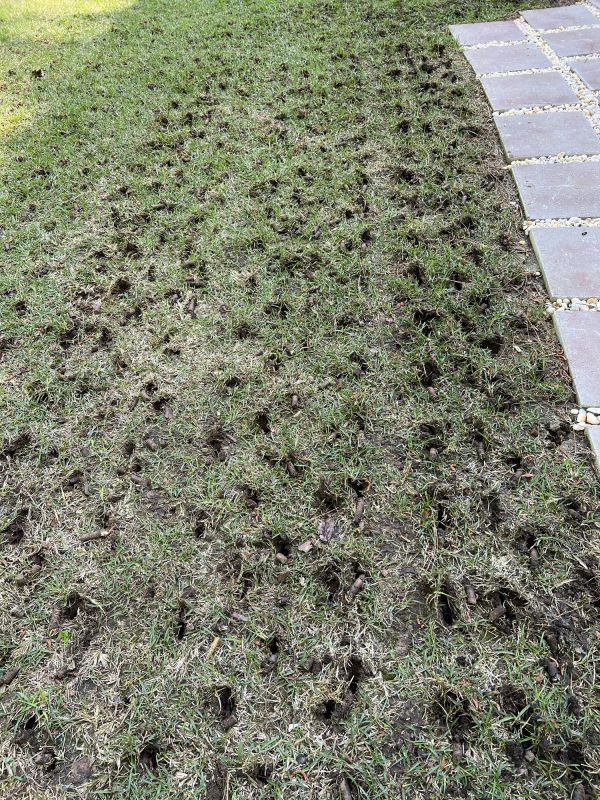
Understanding when a lawn needs aeration begins with recognizing common signs of soil compaction and poor grass health. Homeowners often search for this topic because they notice their grass becoming thin, patchy, or struggling to recover after regular maintenance. These issues can be linked to soil that has become too dense, preventing air, water, and nutrients from reaching the roots effectively. Recognizing these symptoms early can help prevent further decline, making aeration a practical step to improve lawn vitality. Local contractors who specialize in lawn care services can assess these conditions and determine whether aeration is necessary to restore the health of the turf.
The need for aeration is closely related to ongoing lawn maintenance and specific property conditions. Lawns that experience heavy foot traffic, frequent use, or compacted soil due to clay content are more likely to benefit from aeration. Additionally, properties with poor drainage or areas where water tends to pool after rain may indicate soil that needs relief from compaction. Homeowners planning to overseed, fertilize, or improve overall lawn quality should consider aeration as part of their project. Local service providers can evaluate these factors and recommend appropriate treatments to help achieve a lush, resilient lawn.
Certain types of properties are more prone to requiring aeration services. Residential yards with small to medium-sized lawns are common candidates, especially if they have dense soil or experience regular use. Larger properties, sports fields, or community lawns often see benefits from aeration to maintain even growth and prevent issues caused by soil compaction. Properties with clay-heavy soil are particularly susceptible, as this type tends to compact more easily and retain moisture poorly. Connecting with local contractors who understand the specific needs of various property types can help homeowners plan effective lawn care routines that include aeration when needed.
Knowing how to tell when a lawn needs aeration involves observing specific indicators and understanding the underlying soil conditions. Signs such as water runoff, standing water, or a spongy feel when walking across the grass are clear clues that the soil may be too compacted. Additionally, if grass growth is thin, patchy, or slow to recover after mowing, aeration might be needed to improve health. Local lawn care professionals can perform simple tests, like soil compaction checks, to confirm whether aeration will benefit the property. Engaging with experienced service providers ensures that the right treatment is applied at the right time, promoting a healthier, more vigorous lawn.
Soil Testing Services - soil testing helps determine compaction levels and nutrient deficiencies, which are key indicators that your lawn may need aeration. Local contractors often offer testing to assess soil health for proper lawn care.
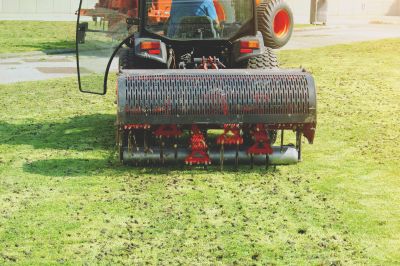
Core Lawn Aeration - core aeration involves removing small plugs of soil to alleviate compaction, a process closely related to understanding when your lawn needs aeration. Local pros can perform this service to improve lawn health.
Overseeding Projects - overseeding requires healthy soil conditions for seed germination, and aeration can create ideal soil conditions. Local service providers often combine overseeding with aeration for best results.
Drainage Improvement Services - poor drainage can signal soil compaction issues, which may be addressed through aeration. Local contractors can evaluate and improve drainage as part of lawn maintenance.
Soil Amendment Applications - applying soil amendments can enhance soil structure, and aeration helps facilitate this process. Local pros can advise on amendments that work best with aeration techniques.
Landscape Planning and Soil Management - effective landscape planning considers soil health, requiring knowledge of soil conditions that can be improved through aeration. Local experts assist in planning to promote lawn vitality.
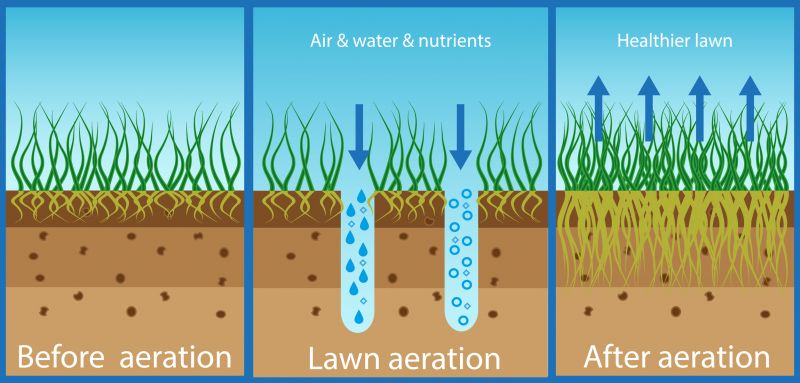
When evaluating lawn aeration service providers, it’s important to consider their experience with similar projects. Homeowners should look for local contractors who have a proven track record of handling lawns with characteristics comparable to their own, such as soil type, grass variety, and yard size. An experienced service provider will understand how to identify signs that a lawn may benefit from aeration, such as compacted soil or poor drainage, and will be familiar with the most effective techniques to improve lawn health. This familiarity can help ensure the work is performed efficiently and effectively, leading to a healthier, more resilient lawn over time.
Clear written expectations are essential when comparing local pros for lawn aeration. Homeowners should seek providers who can provide detailed descriptions of what the service entails, including the tools used, the scope of work, and any preparation or follow-up steps. Having these expectations clearly outlined helps prevent misunderstandings and ensures that the homeowner’s specific concerns-such as addressing soil compaction or improving nutrient uptake-are adequately addressed. Transparent communication about the process also allows homeowners to better understand what to anticipate during the service, fostering confidence in the contractor’s approach.
Reputable references and good communication are key factors in selecting a reliable service provider. Homeowners should inquire about previous clients’ experiences or seek recommendations from trusted sources. A contractor who maintains open, responsive communication can better understand the homeowner’s needs and answer questions thoroughly. This level of engagement often indicates professionalism and a commitment to quality service. By choosing local pros with strong references and clear communication practices, homeowners can feel more assured that their lawn aeration project will be handled competently and with attention to detail.
Property owners often search for how to tell when your lawn needs aeration when they are planning practical projects around their homes and businesses. Local pros provide Lawn Aeration services for everyday jobs and straightforward project options.
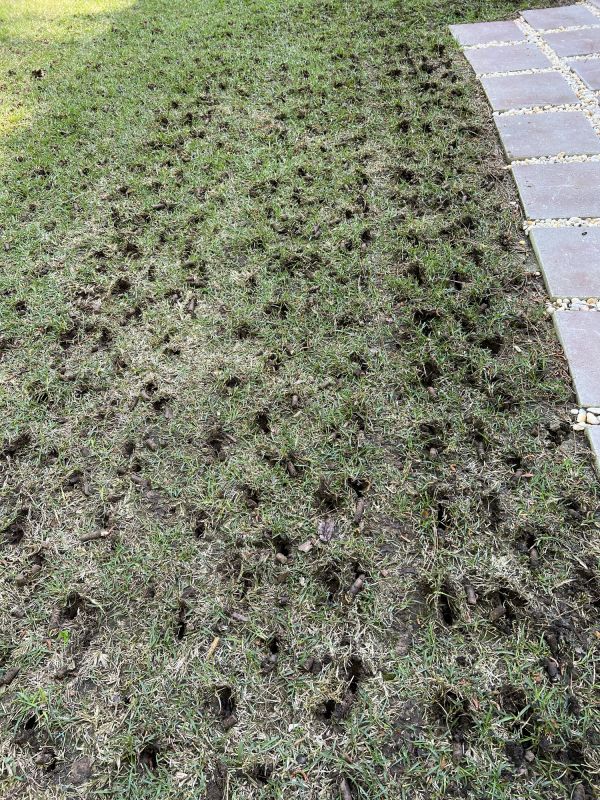
Property owners in the area often notice signs that their lawns may benefit from aeration, especially after periods of heavy foot traffic or drought. If the grass appears thin, patchy, or struggles to recover after mowing, it could indicate that the soil has become compacted, making it difficult for roots to access essential nutrients and water. Additionally, if the soil feels hard or crusty when stepped on, it might be time to consider professional lawn aeration services to help restore healthy growth.
Many local property owners turn to professional service providers when they observe persistent moss growth or areas where the grass seems to be struggling despite regular watering and fertilizing. These issues often stem from soil compaction or thatch buildup, which can hinder proper airflow and water penetration. Consulting with experienced contractors can help determine if aeration is needed to improve the overall health and appearance of the lawn, ensuring it remains lush and resilient throughout the seasons.
What are common signs that your lawn needs aeration? Indicators include compacted soil, areas of poor drainage, thinning grass, and frequent drought stress, which can all be addressed by local contractors through aeration services.
How can you tell if soil compaction is affecting your lawn? Soil that feels hard or resistant when walked on or mowed over, along with uneven growth patterns, suggests that aeration by local service providers may be beneficial.
Are there visible signs on the lawn that indicate it needs aeration? Patches of lawn that develop thatch buildup, standing water after rain, or areas with minimal grass growth are signs that local pros can help improve soil health through aeration.
What role does lawn health play in determining if aeration is needed? If the lawn shows signs of stress, such as yellowing or thinning grass despite proper watering, local contractors can perform aeration to help restore vitality.
How does soil testing help in deciding when to schedule aeration services? Soil tests revealing high compaction levels or poor nutrient absorption can guide homeowners to seek aeration from local service providers to improve lawn conditions.
Soil Compaction Signs - When the soil feels hard or doesn't absorb water easily, it indicates compaction, making lawn aeration beneficial. Property owners can plan to have local contractors evaluate soil health and perform aeration if needed.
Patchy or Thin Areas - Areas of the lawn that are sparse or develop bare spots may need aeration to improve grass growth and root development. Lawn care projects can include scheduling aeration services with local providers to restore these sections.
Slow Drainage or Water Pooling - Excess water that lingers after rain suggests poor soil drainage, which aeration can help alleviate. Homeowners can consider arranging for local service providers to improve soil structure through aeration.
Heavy Foot Traffic Wear - Lawns with high foot traffic often become compacted over time, reducing air flow to roots. Planning for aeration services from local contractors can help rejuvenate heavily used lawn areas.
If you are thinking about how to tell when your lawn needs aeration for a property, this guide is meant to help you understand this topic, the typical project types, and how different options might fit your plans.
When you are ready, you can use the quote form on this page to share a few details about your project. From there, local pros can review the basics and follow up with options that match what you have in mind.