Poison Oak Removal in Philadelphia, PA
Poison oak removal services focus on safely eliminating this invasive plant from residential properties, helping homeowners maintain safe and healthy outdoor spaces. These services typically cover projects such as clearing poison oak from yards, gardens, and landscape beds, as well as removing it from wooded areas or along fences and property boundaries. Property owners usually seek this service when poison oak poses a risk to children, pets, or anyone who may come into contact with it, or when it has begun to spread and threaten the overall landscape.
Before requesting poison oak removal, property owners should understand the extent of the infestation and whether the plant has grown into hard-to-reach areas. It’s helpful to know if the poison oak is growing among desirable plants or in areas frequently accessed by people or animals. Clear communication about property boundaries and the location of the plants can ensure an effective removal process, minimizing the risk of accidental contact and preventing regrowth in the future.
Many property owners in Philadelphia, PA look into Poison Oak Removal for repairs, replacements, upgrades, and appearance-related improvements.
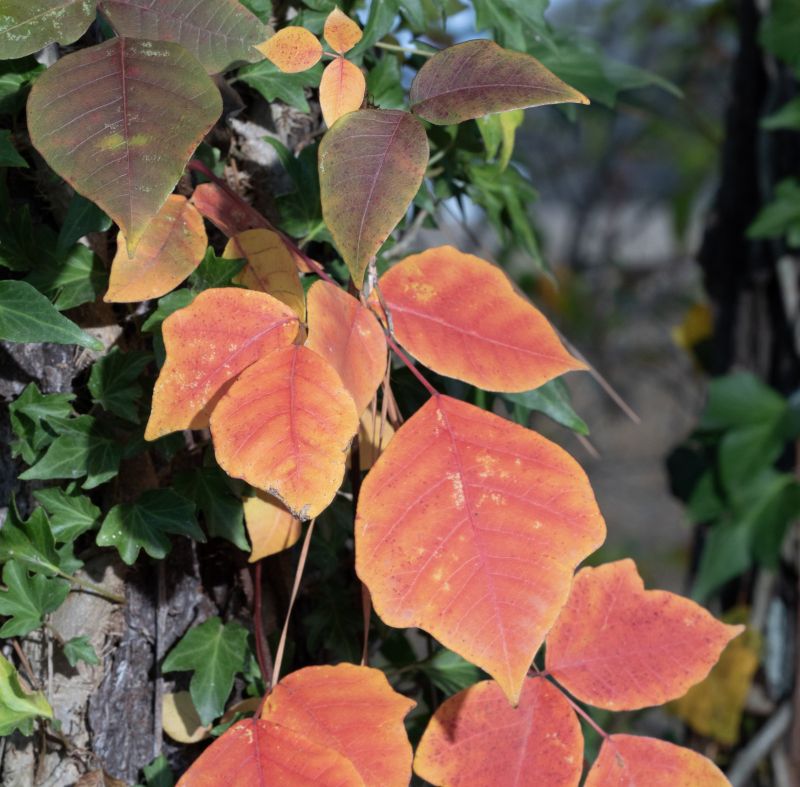
Identifying Poison Oak
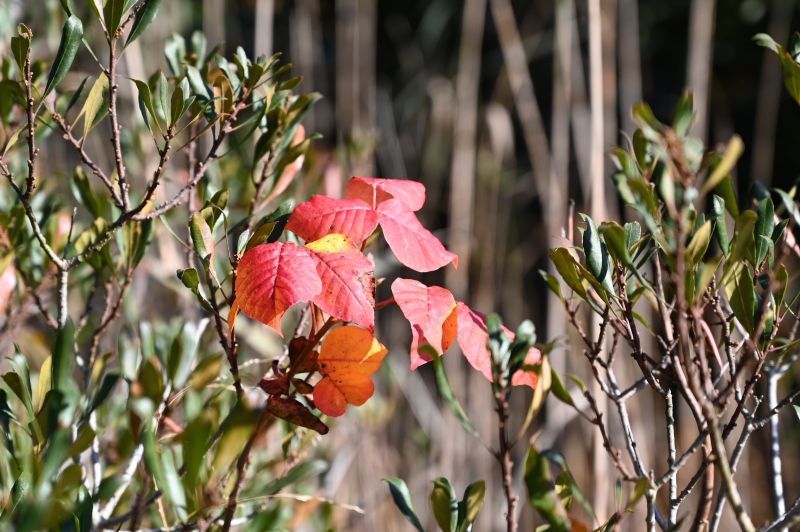
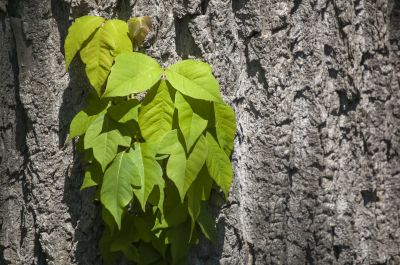
Understanding the appearance and risks of poison oak helps keep your property safe.
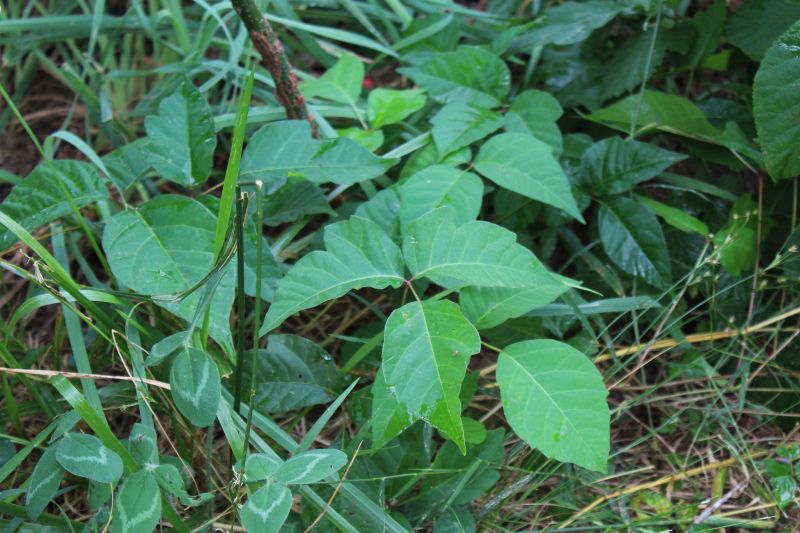
Safety Precautions
Proper removal techniques minimize skin contact and prevent allergic reactions for homeowners and workers.
Property Maintenance
Removing poison oak can improve landscape health and reduce the risk of accidental exposure around philadelphia homes.
Poison Oak Removal in Philadelphia, PA
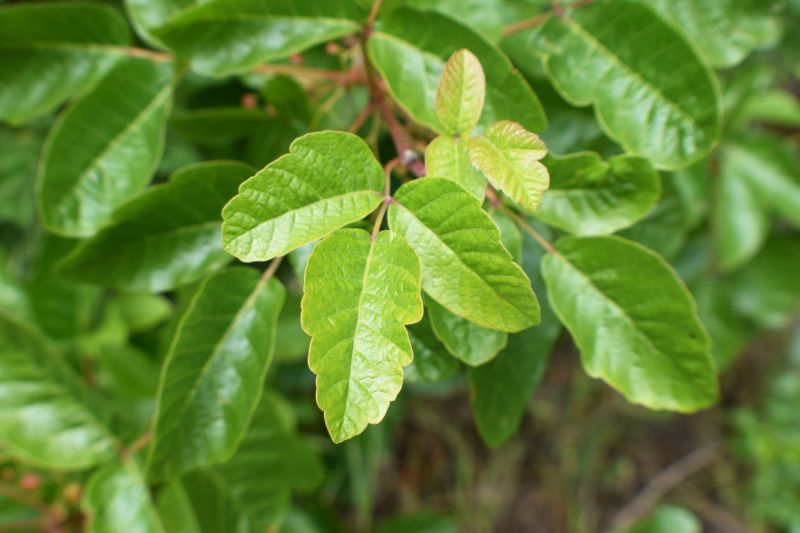
Poison oak removal services focus on safely eliminating this invasive plant from residential properties, helping homeowners maintain safe and healthy outdoor spaces. These services typically cover projects such as clearing poison oak from yards, gardens, and landscape beds, as well as removing it from wooded areas or along fences and property boundaries. Property owners usually seek this service when poison oak poses a risk to children, pets, or anyone who may come into contact with it, or when it has begun to spread and threaten the overall landscape.
Before requesting poison oak removal, property owners should understand the extent of the infestation and whether the plant has grown into hard-to-reach areas. It’s helpful to know if the poison oak is growing among desirable plants or in areas frequently accessed by people or animals. Clear communication about property boundaries and the location of the plants can ensure an effective removal process, minimizing the risk of accidental contact and preventing regrowth in the future.
Many property owners in Philadelphia, PA look into Poison Oak Removal for repairs, replacements, upgrades, and appearance-related improvements.
Common Poison Oak Removal Jobs
Poison Oak Removal - Safe elimination of poison oak plants to protect landscape health.
Yard Clearing - Removal of poison oak from lawns, gardens, and wooded areas.
Bush and Shrub Removal - Clearing poison oak from around existing plants and structures.
Property Maintenance - Ongoing removal to prevent poison oak from regrowing.
Land Clearing - Large-scale removal of poison oak from undeveloped or overgrown land.
Safety Trimming - Pruning and trimming to reduce poison oak spread and exposure risks.
Poison Oak Removal Questions
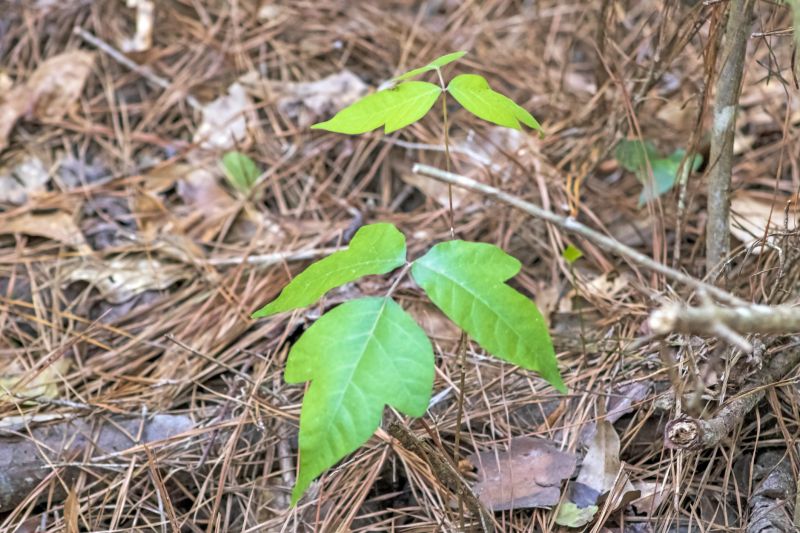
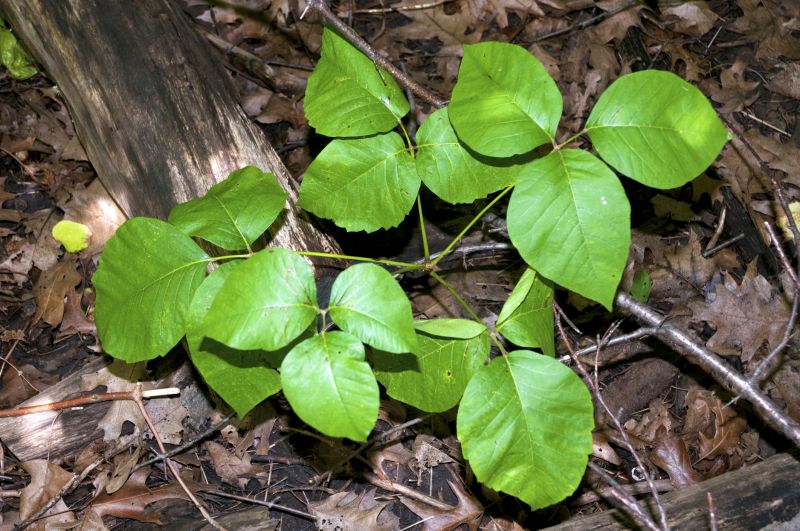
What is poison oak removal? Poison oak removal involves safely eliminating the plant to prevent skin irritation and allergic reactions on the property.
When should poison oak be removed? Removal is recommended when poison oak is found in high-traffic areas or where it poses a risk of contact.
What methods are used for poison oak removal? Techniques include manual removal, herbicide application, and targeted cutting to ensure complete elimination.
Is poison oak removal safe for my landscape? Yes, professional removal aims to eliminate the plant while minimizing impact on surrounding vegetation.
Request Poison Oak Removal in Philadelphia, PA
Use the quote form on this page to share the basics of your project and request more information for the type of work you need.